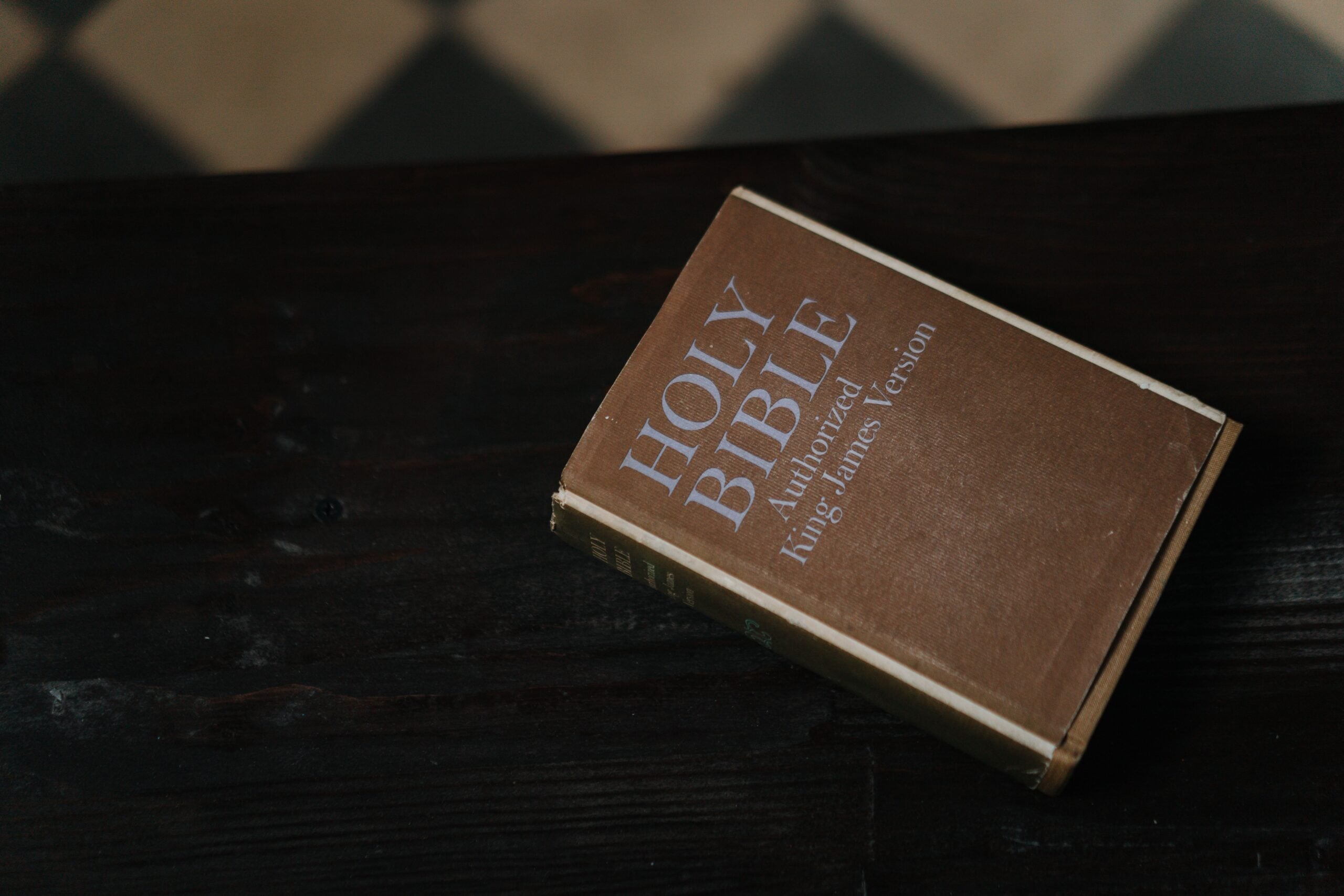
Guidelines for believer’s baptism of children that pleases God.
Video
Introduction:
A conscientious pastor will have conflicting thoughts about the baptisms of most children due to their age, for their level of understanding and knowledge of the commitment are much harder to measure.
By definition of human nature, there will always be parents on both sides of the pastor’s choice in baptism!
We know from the word of God that ordained teachers are the baptizers in Christ’s churches (Matt 28:18-20; John 1:6,33); therefore, parents should be very careful in judging a pastor’s duty and choice in the matter.
We totally reject the Catholics and their Protestant daughters that sprinkle or pour water on infant children.
We know from the word of God that the proper subject of baptism is a believing and repenting person with an active conscience that is able and willing to commit to discipleship (Acts 2:38; 8:12,36-37; 18:8; I Pet 3:21).
This past Sunday, hearing about Jesus as King of kings, we saw baptism as swearing allegiance to our King!
The DANGER
Baptizing children not properly qualified for the ordinance is a perversion of the gospel of Christ.
All things must be done decently and in order: baptizing foolish children is wrong (I Cor 14:40).
Baptism is important, for it is the first act of Christian obedience (Mark 16:16; Acts 2:38; 10:48).
Baptism requires repentance, which in turn requires consciousness of sins (Matt 3:6; Mark 1:4).
Baptism is the answer of a good conscience, so we must have a conscience, sufficient knowledge of the gospel to make it good, and the ability and willingness to act conscientiously (I Pet 3:21).
John required fruits, or actions, to prove a true spirit of repentance before baptism (Matt 3:7-9).
We must avoid and reject Roman influence that would value sacramentalism without knowledge.
Baptism is not needed for eternal life, so there is no obligation or need to baptize children early.
It is the blasphemous presumption of baptismal regeneration that has spawned so many heresies.
Not baptizing children that properly repent and believe is to offend Christ’s little ones (Mat 18:1-14).
All the specific cases of baptism described in the New Testament are of adults, not children.
Jesus fulfilled righteousness by baptism at 30 (Luke 3:21-23); Timothy was a youth, but we are not told enough to know what Paul meant by that vague term (I Tim 4:12; II Tim 2:22).
Household baptisms prove Catholics and Presbyterians wrong, but not Baptists; for the word of God was taught and believed before baptism in all cases (Acts 10:44-48; 16:32-33).
The Bible is quite meager on the level of responsibility expected or required at any specific age.
God judged Israel from entering Canaan from the age of 20 (Numbers 14:28-35; 32:11).
A simple rule like 20 is very appealing to pastors that would like a black and white rule!
Those under 20 are described as not knowing good from evil, but we must interpret this in light of their inability to make the decision to take Canaan themselves (Deuteronomy 1:39).
Those over 20 had to pay an atonement tax for their souls (Exodus 30:11-16; 38:26).
Moses numbered all those 20 and over as able to go forth to war (Numbers 1:3,45; 26:2).
God described the innocent of Nineveh as not knowing their right hand from left (Jonah 4:11).
This vague description is not conclusive again, but it may be assumed near 5 years of age.
Our own education-obsessed society does not attempt much instruction before the age of 5.
The shame of nakedness is an indicator from nature of active consciences (Gen 2:25; 3:7,11,22).
Young children show no shame about nakedness in front of the other sex, but this changes.
You must consider a child’s shame apart from habit, peer pressure, or parental restrictions.
God and men assume infancy, childhood, youth, majority, and old age (Lev 27:1-7; Eccl 11:10).
Here is a valuable passage that indicates the relative value of ages and sexes for redemption.
Observe that God considers all children between one month and five years as infants (27:6).
The category from 5 to 20 would include children and youth, though youth might in some contexts include those under 30, when leadership began (Num 4:3,35,39,43,47; Luke 3:23).
The knowledge level for baptism is not high, but it does require a conscience and some knowledge.